|
|
|
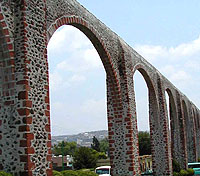
The famous aqueduct of Queretaro | |
Queretaro is a lively colonial city in the state of the same name. This state is part of the region known as La Cuna de la Independencia (the Cradle of Independence) as the uprising against Spain in 1810 began here. Emperor Maximilian surrendered here, and in 1917 the Mexican constitution was written in this city.
The Templo de San Francisco, which opens on to Jardin Zenea - the main plaza in Queretaro, was built in approximately 1540, using tiles on the dome that were brought from Spain.
The Museo Regional next door to the Templo de San Francisco has exhibits of pre-Hispanic Mexico, the Spanish occupation and archaeological sites. Upstairs is centered on Queretaro's role in the war of independence, including the desk of the tribunal who sentenced Maximilian to death. The museum building was once a monastery. During the war the tower was the highest point in the city and it was held by both the supporters of the emperor and the revolutionaries, as a fort.
Another monastery a little further into the city has been turned into the Museo de Arte de Queretaro which displays art from the 16th to the 20th centuries of all influences and styles.
|
|
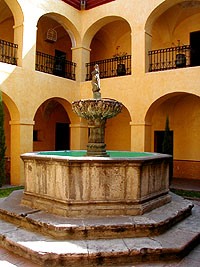
Fountain in a colonial hotel | |
The Convento de la Santa Cruz is a monastery built on the site of a battle between the Otomi and the Spanish, during which a miraculous appearance of St. James caused the Otomi to surrender and convert to Christianity. This is also where Maximilian had his headquarters during the war. It is now a religious school but guided tours can be taken.
An important figure in the uprising was Dona Josefa Ortiz - La Corregidora (the wife of the district administrator). The group of men who wanted to free Mexico from Spanish rule (including Miguel Hidalgo) met at Dona Josefa Ortiz' house. The conspiracy was discovered and she was placed under house arrest. However she managed to whisper to a co-conspirator that their plot had been revealed. Due to this warning, the men escaped and Miguel Hidalgo remained free to issue his call to arms which led to the War of Independence.
Their are several sites dedicated to Dona Josefa Ortiz in Queretaro, including the Palacio de Gobierno - the house in which she was imprisoned, the Monumento a la Corregidora which is a statue of her holding the 'flame of freedom' and her tomb - the Museo de la Corregidora.
The following business offer services in Queretaro:
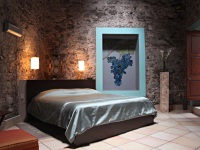 |
La Casa del Atrio
Trip Advisor© awarded their Traveller’s Choice Award 2012 - 2016 to La Casa del Atrio. Also, the State Secretary of Tourism granted us membership into their prestigious Circle of Quality. Casa del Atrio is a beautiful Boutique Hotel centrally located in the heart of Historic Downtown in a completely refurbished 19th century house that also features an art gallery and antique shop where you will find a variety of wonderful pieces at reasonable prices.
|
 |
Live Lingua
Need help finding a language school in Mexico? Tired of searching the web and contacting them all. Then check out the Live Lingua SchoolFinder. Here you can post a want ad with what you are looking for in a school and have the schools contact you. Best of all it is absolutely free for you to use.
|
 |
National Car Rental Mexico
For pleasure or business National Car Rental is your best option for rental cars in Mexico. With us you will always get the best deals on all types of rental cars. We have offices in twenty six cities in Mexico: Cd. de Mexico, Cancun, Cd. del Carmen, Chetumal, Culiacan, Guadalajara, Hermosillo, Irapuato, La Paz, Leon, Los Cabos, Mazatlan, Merida, Mexicali, Monterrey, Playa del Carmen, Puerto Vallarta, Queretaro, Saltillo, San Luis Potosi, Tijuana, Toluca, Tuxtla Gutierrez, Veracruz, Villahermosa.
|
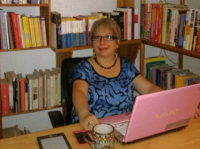 |
Spanish Classes Queretaro & Skype
I'm Laura Olachea, a knowledgeable, skilled and professionally qualified Spanish teacher. Students like my classes because they are dynamic, informative, entertaining and practical. I offer Spanish classes via Skype and in person, customized to meet your level and to achieve your language proficiency goals.Whether you are fluent, and wish to learn the fine points or advanced grammar, or you know only a few words, I'll work with you to create a lesson plan specific to your needs. |
|